
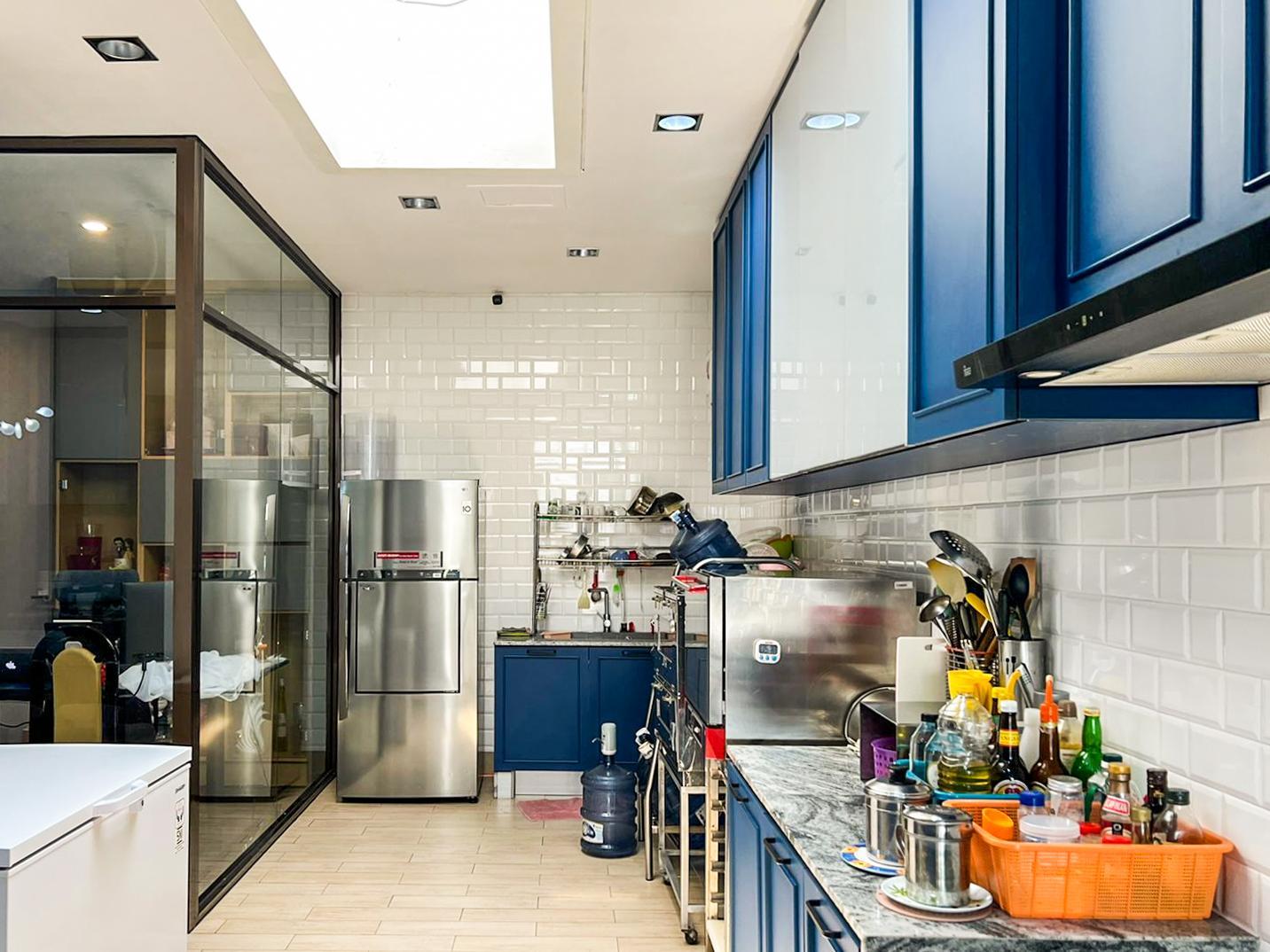
Renovating your home in Singapore is an exciting journey, but it often comes with one big concern — the cost. With the rising price of materials and labor, many homeowners feel pressured to hire an interior designer (ID) to manage their projects. However, what many don’t realize is that you can achieve a stylish, functional, and valuable renovation without paying for designer fees. By working directly with a renovation contractor, you cut out middlemen, avoid inflated costs, and take greater control over your budget.
In this comprehensive guide, we’ll break down how to renovate on a budget in Singapore while skipping unnecessary designer costs. Whether you’re upgrading an HDB flat, a resale apartment, or a landed home, these tips will help you maximize your dollars and still achieve the dream home you want.
Why Skip Interior Designers?
Before diving into cost-saving tips, let’s first address the elephant in the room: Why avoid interior designers altogether?
Interior designers offer creative concepts, mood boards, and project coordination. However, these come at a hefty price tag. Most IDs charge either:
- A flat fee (usually between $8,000 – $15,000 depending on scope), or
- A percentage markup on renovation costs (sometimes up to 20%).
That means if your contractor charges $50,000 for a renovation, you could end up paying another $10,000 or more in designer markups.
By working directly with a contractor, you:
- Save on design fees
- Avoid inflated costs on materials and labor
- Have more flexibility to choose where your money goes
If your focus is on functionality, practicality, and long-term value, then cutting out the designer middleman is a smart way to renovate on a budget.
Step 1: Set a Realistic Renovation Budget
The first step in any cost-conscious renovation is to establish your budget. In Singapore, the average full renovation for a 4-room HDB flat costs between $30,000 – $50,000. But with proper planning, you can bring that down significantly.
Pro Tip: Allocate by Priority
Divide your budget based on priority areas:
- Kitchen: 30–35% of your budget (cabinets, countertops, tiling)
- Bathroom(s): 20–25%
- Flooring: 20%
- Living/Bedrooms: 15–20%
- Others (electrical, painting, fixtures): 10–15%
This ensures that money is spent where it adds the most value — especially kitchens and bathrooms, which are the biggest selling points for resale.
Step 2: Focus on Function Over Fancy Design
Many homeowners overspend because they get carried away with design concepts. But remember, a good contractor can execute practical solutions without a designer’s “extras.”

Practical Ways to Save:
- Built-in carpentry only where needed: Avoid full wall-to-wall cabinets unless storage is a must. Opt for modular or ready-made furniture instead.
- Skip false ceilings: They look nice but cost thousands in materials and labor.
- Use paint, not panels: Instead of expensive feature walls, go for textured paint or simple accent colors.
Step 3: Choose Cost-Effective Materials
Material choices can make or break your budget. The good news? You don’t have to sacrifice quality.
Smart Material Swaps:
- Countertops: Instead of granite or quartz, consider solid surface tops — affordable yet durable.
- Flooring: Vinyl planks mimic wood at a fraction of the cost, and they’re easy to maintain.
- Tiles: Large-format tiles reduce grout lines, making cleaning easier and installation faster.
- Doors: Laminate doors are cheaper than solid wood but still stylish.
By sourcing directly through your contractor, you’ll often get wholesale prices instead of marked-up “designer” costs.
Step 4: DIY Where Possible
While structural and technical work should always be left to professionals, there are areas where you can safely DIY.
- Painting walls
- Installing shelves or small fixtures
- Assembling modular furniture
- Adding decorative touches (curtains, rugs, lighting)
Every task you complete yourself is money saved on labor costs.

Step 5: Work With a Trusted Contractor
The biggest money-saving move is finding the right contractor. A reliable contractor:
- Provides transparent quotes (no hidden markups)
- Has direct supplier connections for better pricing
- Manages scheduling and manpower efficiently
Unlike IDs, contractors focus on execution, not markups. This makes them the ideal choice for budget-conscious homeowners.
Step 6: Renovate in Phases
If funds are tight, you don’t need to complete your renovation all at once. Phased renovations are a smart way to spread out costs.
- Phase 1: Essential works (electrical, plumbing, flooring)
- Phase 2: Carpentry and kitchen
- Phase 3: Bathrooms and finishing touches
This approach allows you to move into your home sooner and gradually complete upgrades as your budget allows.

Step 7: Avoid Renovation Pitfalls That Blow Budgets
To keep costs down, avoid these common mistakes:
- Over-customisation: Custom carpentry and designer fittings quickly drive up costs.
- Last-minute changes: Altering layouts mid-project leads to rework and wasted money.
- Ignoring resale value: Fancy features that don’t appeal to future buyers won’t give good ROI.
- Not getting multiple quotes: Always compare at least 2–3 contractor quotes.
Cost Comparison: Contractor vs. Interior Designer
Let’s take an example of a 4-room HDB flat renovation:
| Renovation Item | Contractor Cost | ID Cost (with markup) |
|---|---|---|
| Hacking & Plumbing | $6,000 | $7,500 |
| Electrical Works | $4,000 | $5,500 |
| Flooring | $8,000 | $10,000 |
| Kitchen Carpentry | $10,000 | $13,000 |
| Bathroom Works | $7,000 | $9,000 |
| Painting | $3,000 | $4,500 |
| Total | $38,000 | $49,500 |
By working directly with a contractor, you save over $11,000 — money that can go towards furniture, appliances, or your savings.
Friendly Renovation Tips for Singapore Homeowners
To make your renovation even more cost-effective, keep these Singapore-specific tips in mind:
- Apply for HDB Renovation Permits early to avoid project delays.
- Check if your block is due for Home Improvement Programme (HIP) upgrades — some works may already be covered.
- Choose energy-efficient lighting and appliances to reduce long-term bills.
- Invest in durable finishes to minimize maintenance costs.
Final Thoughts
Renovating your Singapore home doesn’t have to drain your bank account. By skipping interior designer costs and working directly with a renovation contractor, you’ll save thousands while still achieving a modern, functional, and stylish space. The key is to focus on practical choices, smart materials, and reliable contractors.
At the end of the day, it’s not about flashy design fees — it’s about creating a home that works for you, your family, and your budget.
Speak To Us
Looking for a trusted renovation contractor in Singapore? At SG Contractor Quote, we specialize in budget-friendly, high-quality renovations for HDBs, condos, and landed homes. Contact us today for a free quotation and let’s make your renovation dreams a reality — without the designer markups.